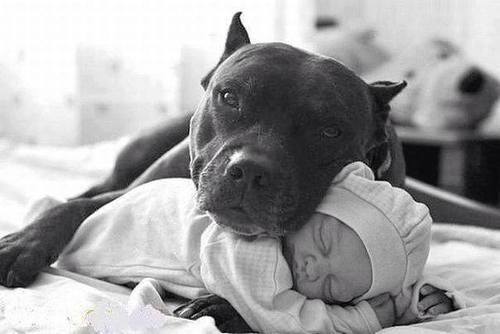
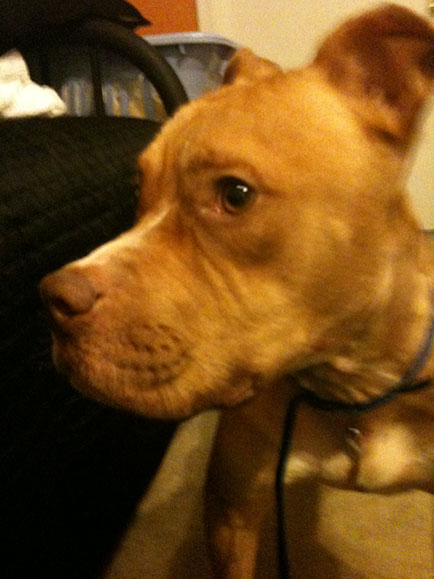
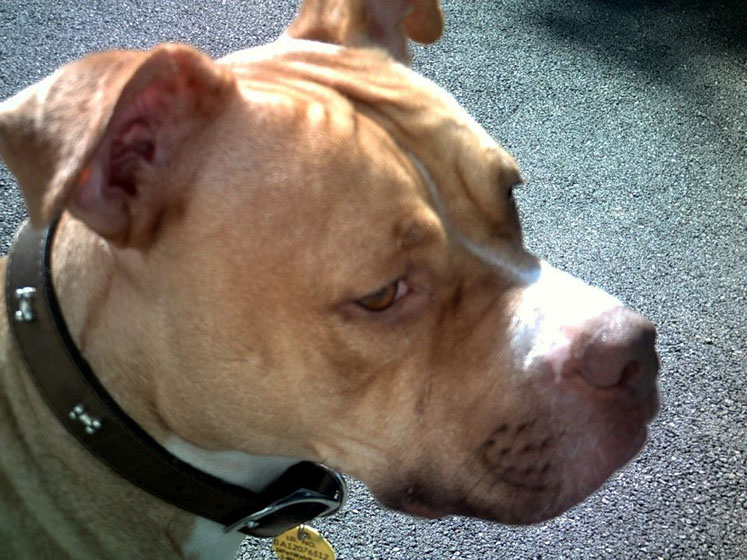
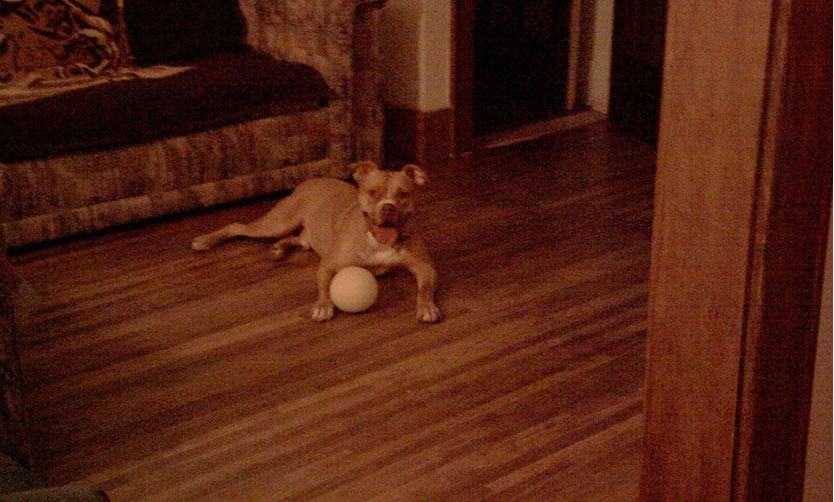
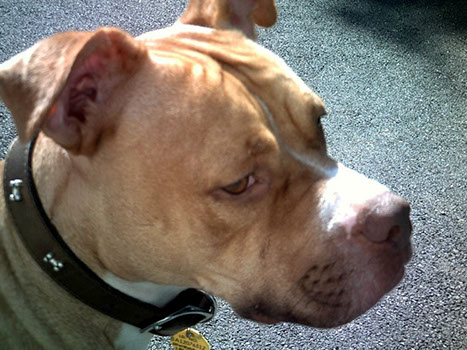
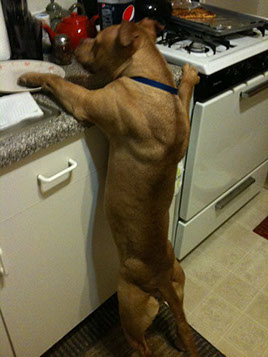
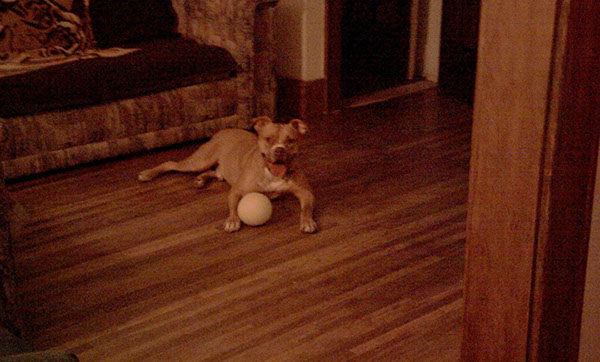
Character and Loyalty  Pit Bulls are wonderful animals that deserve a chance to have a good life like any other dog. However it is important to remember that Pit Bulls are not just any other dog. They are a little more of everything a dog can be. Characteristics: Pit Bulls have great physical and mental characteristics that make them excellent partners for responsible active, and caring owners. On the other hand, these same outstanding qualities can make them a little difficult to handle for people who don’t have a lot of experience with dog ownership or for those who don’t understand the breed very well. Training: Luckily, Pit Bulls are very responsive to training and eager to please. It is therefore strongly recommended to take them to obedience classes as soon as they are up to date with their shots. Pit Bulls are prone to distemper and parvo, so it is important that they receive all their vaccinations before coming into contact with other dogs or going places that other dogs frequent. A well behaved and obedient Pit Bull will be a great ambassador for the breed and help fight prejudice and misconceptions. Pit Bulls are very adaptable and will even do well in urban living, provided they have enough exercise or other positive outlets for their energy. Many Pit Bulls are easy going couch potatoes, but can also be quite rambunctious until they mature. Maturity can come pretty late with this breed (2 to 3 years old in some cases). Pit Bulls remain playful all their life and have a great sense of humor. These dogs will make you laugh like no other. Temperament: Pit Bulls are strong, energetic, agile and powerful dogs. They are also very resourceful and driven. “Determination” is one of their most notable traits. Whatever they set out to do, they will put their heart and soul into it. Whether it’s escaping out of an inadequately fenced yard to explore the neighborhood or destroying your new couch when left home alone, or climbing into your lap to shower you with kisses, they just don’t give up easily. Another very important characteristic of Pit Bull dogs, is their amazing love of people. These dogs are indeed remarkably affectionate, and crave human attention. They are wonderful cuddler’s and nothing beats a belly rub. In fact, most Pit Bulls think they are lap dogs. Today, a properly bred Pit Bull is so exuberantly happy upon meeting her owner’s friends, or even friendly strangers, that new owners sometimes worry that their dog is too sweet and fun-loving to protect their home and family. A multitalented companion, the well-trained Pit Bull is suited for a variety of exciting activities. He excels at obedience, agility and weight pulling competitions, events, which showcase intelligence, training ability and strength. In addition, the Pit Bull’s pleasant nature makes him an ideal candidate for therapy work with people. Human aggression, severe shyness and instability are not traits typically found and accepted in the Pit Bull breed. Dogs with these traits are not good representatives of the breed and should not be placed in adoptive homes. Like any other breed, Pit Bulls can develop behavior problems if mishandled, abused, poorly bred, or unsocialized, that could result in inappropriate aggression. Any large, strong and powerful dog that attacks, can do a lot of damage. This is why serious temperament evaluation is so important when dealing with dogs of certain sixe. Unlike the myth propagated by the media, human aggression is not a problem specific to the Pit Bull breed. In fact, Pit Bulls tend to do better than average in temperament tests. The American Temperament Test Society provides testing around the country for dog breeds and provides a passing score for the entire breed, based on the percentage of passed over failed within total number of that particular breed tested. As of march 2001, the American Pit Bull Terrier has a current passing rate of 82.3% which makes him one of the top 5 most stable breeds of dog in the country. Pit Bulls make wonderful, loving and very loyal companions. It is important however, to understand the breed’s nature, to provide a structured environment and to establish a positive leadership role. In order to do so, Pit Bull owners must understand the original purpose of the breed and respect it limits and potential. The Breeds Original Purpose: Humans have created very specialized dogs through emphasizing desired traits and eliminating unwanted one. It is no different with the Pit Bull breed. The American Pit Bull Terrier has been “selectively” bred for hundreds of years to fight other dogs. This is the sad “work” these dogs were created for. In the same way that Labradors were bred to retrieve birds, APBT’s were bred to face other dogs in mortal combat. Even in dogs that are not recently bred from fighting lines, the urge to rumble can arise at any time. Not to strongly emphasize this fact is to be negligent. We would be equally negligent if we were placing Beagles and failed to educate the adopter about why the specific traits that scent oriented dogs, hunting dogs, bred to work in packs, present certain challenges to those who wish to obedience train their hound. We can’t blame specialized breeds for behaving like they were bred to do what they do. Certain specific traits were selectively bred into the dogs and are now a part of the breed’s character. It’s like the digging instinct of many Terriers, the herding behavior in Shelties, or the compulsion to run in a Greyhound. Your Pointer may have never spent a day on a real “hunt”, but he may still point and flush out a bird as his ancestors were bred to do so. We don’t have to condone or glorify it, but dog aggression is not uncommon with Pit Bull type dogs. Owners must recognize and accept this fact or they won’t be able to provide competent ownership and have fun with their dogs. It’s a mistake to think the fighting gene can be easily trained or loved out of a dog. Or that early socialization will guarantee your Pit Bull will always get along with other animals.
This site Designed by Michael A, Mendez Character and Loyalty  Pit Bulls are wonderful animals that deserve a chance to have a good life like any other dog. However it is important to remember that Pit Bulls are not just any other dog. They are a little more of everything a dog can be. Characteristics: Pit Bulls have great physical and mental characteristics that make them excellent partners for responsible active, and caring owners. On the other hand, these same outstanding qualities can make them a little difficult to handle for people who don’t have a lot of experience with dog ownership or for those who don’t understand the breed very well. Training: Luckily, Pit Bulls are very responsive to training and eager to please. It is therefore strongly recommended to take them to obedience classes as soon as they are up to date with their shots. Pit Bulls are prone to distemper and parvo, so it is important that they receive all their vaccinations before coming into contact with other dogs or going places that other dogs frequent. A well behaved and obedient Pit Bull will be a great ambassador for the breed and help fight prejudice and misconceptions. Pit Bulls are very adaptable and will even do well in urban living, provided they have enough exercise or other positive outlets for their energy. Many Pit Bulls are easy going couch potatoes, but can also be quite rambunctious until they mature. Maturity can come pretty late with this breed (2 to 3 years old in some cases). Pit Bulls remain playful all their life and have a great sense of humor. These dogs will make you laugh like no other. Temperament: Pit Bulls are strong, energetic, agile and powerful dogs. They are also very resourceful and driven. “Determination” is one of their most notable traits. Whatever they set out to do, they will put their heart and soul into it. Whether it’s escaping out of an inadequately fenced yard to explore the neighborhood or destroying your new couch when left home alone, or climbing into your lap to shower you with kisses, they just don’t give up easily. Another very important characteristic of Pit Bull dogs, is their amazing love of people. These dogs are indeed remarkably affectionate, and crave human attention. They are wonderful cuddler’s and nothing beats a belly rub. In fact, most Pit Bulls think they are lap dogs. Today, a properly bred Pit Bull is so exuberantly happy upon meeting her owner’s friends, or even friendly strangers, that new owners sometimes worry that their dog is too sweet and fun-loving to protect their home and family. A multitalented companion, the well-trained Pit Bull is suited for a variety of exciting activities. He excels at obedience, agility and weight pulling competitions, events, which showcase intelligence, training ability and strength. In addition, the Pit Bull’s pleasant nature makes him an ideal candidate for therapy work with people. Human aggression, severe shyness and instability are not traits typically found and accepted in the Pit Bull breed. Dogs with these traits are not good representatives of the breed and should not be placed in adoptive homes. Like any other breed, Pit Bulls can develop behavior problems if mishandled, abused, poorly bred, or unsocialized, that could result in inappropriate aggression. Any large, strong and powerful dog that attacks, can do a lot of damage. This is why serious temperament evaluation is so important when dealing with dogs of certain sixe. Unlike the myth propagated by the media, human aggression is not a problem specific to the Pit Bull breed. In fact, Pit Bulls tend to do better than average in temperament tests. The American Temperament Test Society provides testing around the country for dog breeds and provides a passing score for the entire breed, based on the percentage of passed over failed within total number of that particular breed tested. As of march 2001, the American Pit Bull Terrier has a current passing rate of 82.3% which makes him one of the top 5 most stable breeds of dog in the country. Pit Bulls make wonderful, loving and very loyal companions. It is important however, to understand the breed’s nature, to provide a structured environment and to establish a positive leadership role. In order to do so, Pit Bull owners must understand the original purpose of the breed and respect it limits and potential. The Breeds Original Purpose: Humans have created very specialized dogs through emphasizing desired traits and eliminating unwanted one. It is no different with the Pit Bull breed. The American Pit Bull Terrier has been “selectively” bred for hundreds of years to fight other dogs. This is the sad “work” these dogs were created for. In the same way that Labradors were bred to retrieve birds, APBT’s were bred to face other dogs in mortal combat. Even in dogs that are not recently bred from fighting lines, the urge to rumble can arise at any time. Not to strongly emphasize this fact is to be negligent. We would be equally negligent if we were placing Beagles and failed to educate the adopter about why the specific traits that scent oriented dogs, hunting dogs, bred to work in packs, present certain challenges to those who wish to obedience train their hound. We can’t blame specialized breeds for behaving like they were bred to do what they do. Certain specific traits were selectively bred into the dogs and are now a part of the breed’s character. It’s like the digging instinct of many Terriers, the herding behavior in Shelties, or the compulsion to run in a Greyhound. Your Pointer may have never spent a day on a real “hunt”, but he may still point and flush out a bird as his ancestors were bred to do so. We don’t have to condone or glorify it, but dog aggression is not uncommon with Pit Bull type dogs. Owners must recognize and accept this fact or they won’t be able to provide competent ownership and have fun with their dogs. It’s a mistake to think the fighting gene can be easily trained or loved out of a dog. Or that early socialization will guarantee your Pit Bull will always get along with other animals.
This site designed, produced, and maintained by Michael A. Mendez. Comments or concerns with this site please contact the Webmaster: Michael_Mendez953@esc.edu
Character and Loyalty  Pit Bulls are wonderful animals that deserve a chance to have a good life like any other dog. However it is important to remember that Pit Bulls are not just any other dog. They are a little more of everything a dog can be. Characteristics: Pit Bulls have great physical and mental characteristics that make them excellent partners for responsible active, and caring owners. On the other hand, these same outstanding qualities can make them a little difficult to handle for people who don’t have a lot of experience with dog ownership or for those who don’t understand the breed very well. Training: Luckily, Pit Bulls are very responsive to training and eager to please. It is therefore strongly recommended to take them to obedience classes as soon as they are up to date with their shots. Pit Bulls are prone to distemper and parvo, so it is important that they receive all their vaccinations before coming into contact with other dogs or going places that other dogs frequent. A well behaved and obedient Pit Bull will be a great ambassador for the breed and help fight prejudice and misconceptions. Pit Bulls are very adaptable and will even do well in urban living, provided they have enough exercise or other positive outlets for their energy. Many Pit Bulls are easy going couch potatoes, but can also be quite rambunctious until they mature. Maturity can come pretty late with this breed (2 to 3 years old in some cases). Pit Bulls remain playful all their life and have a great sense of humor. These dogs will make you laugh like no other. Temperament: Pit Bulls are strong, energetic, agile and powerful dogs. They are also very resourceful and driven. “Determination” is one of their most notable traits. Whatever they set out to do, they will put their heart and soul into it. Whether it’s escaping out of an inadequately fenced yard to explore the neighborhood or destroying your new couch when left home alone, or climbing into your lap to shower you with kisses, they just don’t give up easily. Another very important characteristic of Pit Bull dogs, is their amazing love of people. These dogs are indeed remarkably affectionate, and crave human attention. They are wonderful cuddler’s and nothing beats a belly rub. In fact, most Pit Bulls think they are lap dogs. Today, a properly bred Pit Bull is so exuberantly happy upon meeting her owner’s friends, or even friendly strangers, that new owners sometimes worry that their dog is too sweet and fun-loving to protect their home and family. A multitalented companion, the well-trained Pit Bull is suited for a variety of exciting activities. He excels at obedience, agility and weight pulling competitions, events, which showcase intelligence, training ability and strength. In addition, the Pit Bull’s pleasant nature makes him an ideal candidate for therapy work with people. Human aggression, severe shyness and instability are not traits typically found and accepted in the Pit Bull breed. Dogs with these traits are not good representatives of the breed and should not be placed in adoptive homes. Like any other breed, Pit Bulls can develop behavior problems if mishandled, abused, poorly bred, or unsocialized, that could result in inappropriate aggression. Any large, strong and powerful dog that attacks, can do a lot of damage. This is why serious temperament evaluation is so important when dealing with dogs of certain sixe. Unlike the myth propagated by the media, human aggression is not a problem specific to the Pit Bull breed. In fact, Pit Bulls tend to do better than average in temperament tests. The American Temperament Test Society provides testing around the country for dog breeds and provides a passing score for the entire breed, based on the percentage of passed over failed within total number of that particular breed tested. As of march 2001, the American Pit Bull Terrier has a current passing rate of 82.3% which makes him one of the top 5 most stable breeds of dog in the country. Pit Bulls make wonderful, loving and very loyal companions. It is important however, to understand the breed’s nature, to provide a structured environment and to establish a positive leadership role. In order to do so, Pit Bull owners must understand the original purpose of the breed and respect it limits and potential. The Breeds Original Purpose: Humans have created very specialized dogs through emphasizing desired traits and eliminating unwanted one. It is no different with the Pit Bull breed. The American Pit Bull Terrier has been “selectively” bred for hundreds of years to fight other dogs. This is the sad “work” these dogs were created for. In the same way that Labradors were bred to retrieve birds, APBT’s were bred to face other dogs in mortal combat. Even in dogs that are not recently bred from fighting lines, the urge to rumble can arise at any time. Not to strongly emphasize this fact is to be negligent. We would be equally negligent if we were placing Beagles and failed to educate the adopter about why the specific traits that scent oriented dogs, hunting dogs, bred to work in packs, present certain challenges to those who wish to obedience train their hound. We can’t blame specialized breeds for behaving like they were bred to do what they do. Certain specific traits were selectively bred into the dogs and are now a part of the breed’s character. It’s like the digging instinct of many Terriers, the herding behavior in Shelties, or the compulsion to run in a Greyhound. Your Pointer may have never spent a day on a real “hunt”, but he may still point and flush out a bird as his ancestors were bred to do so. We don’t have to condone or glorify it, but dog aggression is not uncommon with Pit Bull type dogs. Owners must recognize and accept this fact or they won’t be able to provide competent ownership and have fun with their dogs. It’s a mistake to think the fighting gene can be easily trained or loved out of a dog. Or that early socialization will guarantee your Pit Bull will always get along with other animals.
This site designed, produced, and maintained by Michael A. Mendez. Comments or concerns with this site please contact the Webmaster: Michael_Mendez953@esc.edu